Your smile is the shortest route to reaching the hearts of others, and the shape and appearance of the teeth is considered an essential part of this smile. Therefore caring for the teeth and being keen to clean them is considered the effective factor in obtaining a charming smile, and dental scaling is considered the first step in caring for the shape and appearance of the teeth.
Through the coming lines we will learn the most important matters relating to dental tartar and its signs, the causes of its accumulation on the teeth, the method of cleaning the teeth of tartar, and the ways of preventing tartar after cleaning it and removing it from the teeth.
What is dental tartar and the effects resulting from it?
It is a yellow-coloured layer that forms on the teeth as a result of the accumulation of food residue between the teeth and its calcification around them. Dentists call it plaque, and this tartar may lead to the formation of bacteria which secrete acids that lead to the erosion of the outer layer of the teeth, or the enamel layer. Among the negative effects of dental tartar too is the formation of foul odours in the mouth. Tartar is also considered one of the most important causes leading to tooth decay and to being affected by gum diseases, such as periodontal pockets, which are a danger to the teeth and are painful in most cases.
Among the symptoms particular to dental tartar too is that there is bleeding while washing the teeth with brush and paste. This is because the layers of tartar are closely attached to the gums, so when attempting to remove them with the brush they rub against the gums and cause bleeding and pain.
Some may believe that the effects resulting from the formation of tartar are trivial, but in point of fact the formation of tartar on the teeth may lead to serious diseases that may affect the heart and the lung, in the event that the bacteria which form on the teeth by the action of tartar leak into the blood.
The method of cleaning the teeth of tartar and the means used in it — the brush, or the type of paste, or the floss — are considered among the important factors in tartar not forming and in avoiding its negative effects.
Causes of dental tartar accumulation
Dental tartar does not accumulate out of nothing; rather it results from several causes, most of which go back to neglect of personal hygiene.
Not cleaning the teeth is considered one of the most important causes of the formation of tartar and the formation of bacteria.
Nicotine resulting from smoking is considered one of the causes of the formation of tartar and of the change of the colour of the teeth to yellow.
The accumulation of food between the teeth because of the existence of abnormal gaps between them, or because of neglecting to remove food residue with dental floss after eating.
Using unsuitable types of toothbrush, such that they do not clean the teeth properly.
These are the most important causes of tartar accumulation on the teeth, and what can be observed is that all the causes go back to the bad health habits followed by the person affected by dental tartar accumulation. So always be keen to acquire sound healthy habits, because prevention is — always — better than cure.
Steps of dental scaling
Dental scaling passes through several stages, which include the following:
The initial examination: in which the doctor examines the teeth using the mirror to know the location of the tartar and to make sure that there are no problems or inflammations in the gums, because he will not be able to perform dental scaling if there are any problems in the gums.
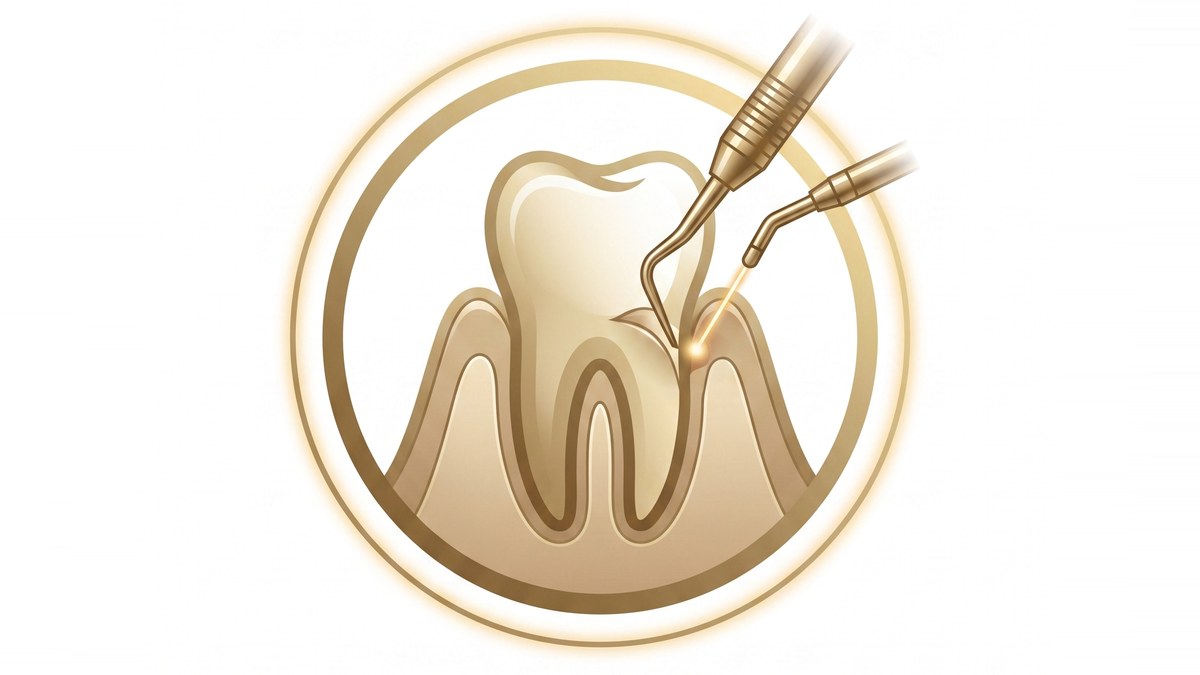
The cleaning process: during which the doctor uses the scraping instruments and removes the layers of tartar. The person may feel some scratches in the gums during the dental scaling process as a result of the cleaning instruments rubbing against the gums.
Use of toothpaste: after making sure the layers of tartar have been removed, the doctor uses coarse toothpaste in cleaning the teeth with a special electric brush.
Use of floss: and to make sure the tartar has been removed completely, the doctor uses dental floss to remove any residue from the traces of the cleaning, whether tartar or paste.
The washing stage: in this stage the teeth are washed and fluoride is placed over the teeth for one minute to protect the teeth.
We must point out here that among the various uses of laser beams in dental treatment, these beams have been used in the removal of dental tartar.
Ways of preventing dental tartar accumulation
Here for you are the most important tips after cleaning the teeth of tartar, which must be followed to protect the teeth, and to guarantee the return of tartar again.
The toothbrush must be used regularly, persisting in using it twice daily for two minutes each time, with a suitable brush.
Using toothpaste with fluoride, which helps in protection from decay and works to protect the enamel.
Using floss, in cleaning the teeth and removing food residue from between the teeth and from the areas that are difficult to reach with the brush.
Being keen to use an antiseptic mouthwash daily, which helps to eliminate the bacteria that cause the formation of plaque.
Following a healthy and sound dietary regime, along with reducing the quantity of foods that contain sugar, and likewise stopping smoking to protect the teeth from nicotine.
Finally, performing dental scaling periodically is considered one of the most important ways of preventing the accumulation of tartar layers or their hardening. In what follows we will learn the best rate for cleaning the teeth of tartar, and whether that should be monthly or yearly or more than that.
Learn now the most important tips after cleaning the teeth of tartar
Read the tips
Rate of cleaning the teeth of tartar
Doctors advise performing dental scaling once every six months, but the number of times tartar is removed and the doctor is visited depends on the condition of the teeth, the condition of the gums, and the health condition of some diabetic patients, or those who have the propensity and predisposition to form tartar, and smokers.
The doctor may advise some people to come for dental scaling once every six months as is customary, and may tell others that they can undergo dental scaling sessions once a year — that is if he sees from them that they look after their teeth to a great degree and are keen to clean them well; there is then no need to undergo tartar-cleaning sessions at short intervals, because excessive sessions may weaken the enamel of the teeth, and consequently the person is exposed to being affected by tooth sensitivity.
What are the benefits of dental scaling at the doctor?
The benefits of getting rid of the tartar accumulated on the teeth are innumerable, and in what follows we mention to you the most important of them:
It works to prevent tooth decay and improves the health of the mouth.
It prevents being affected by gum inflammations.
It helps to protect the teeth from looseness or falling out, because it eliminates periodontal pockets.
After it the teeth regain their natural colour and their lustre.
It reduces the risks of being affected by other diseases as a result of the bacteria produced by plaque.
It rids the mouth of any unpleasant or foul odours resulting from the accumulation of tartar and the formation of bacteria.
Does dental scaling affect the health of the teeth?
Cleaning tartar from the teeth in itself is an extremely beneficial thing for the health of the teeth, and we have mentioned to you the most important benefits particular to tartar cleaning in the past lines.
However, it may also have some drawbacks, such as: the possibility of the gums being exposed to inflammation, or tooth pain after the sessions, or the feeling of roughness of the teeth in the first period after the session.
But all these effects are natural, and they can be overcome by using anti-inflammatories and painkillers. As for the sensation of roughness in the texture of the tooth, that is natural and results from the use of the tartar-scraping instruments, and this sensation soon disappears gradually during the first three days after the procedure.
This is if the tartar cleaning is at a moderate rate, annually. But in the event of an increase in the number of times tartar is cleaned, as we mentioned previously, then the health of the teeth is exposed to danger in this case. This is because the instruments used in scraping the teeth are liable to affect the enamel layer if they are used repeatedly, and the patient is then affected by tooth sensitivity (the feeling of pain while consuming cold or hot drinks).
Is it possible to remove dental tartar during the orthodontic process?
Yes, dental scaling can be done during the orthodontic process, but after making sure that the doctor who will carry out the cleaning process is skilled and has sufficient experience to deal with orthodontic cases without causing any harm to the braces or to the teeth. That is why doctors always advise good care of the teeth while braces are fitted.
Cost of dental tartar removal
The price of tartar cleaning depends on the condition of the teeth, the amount of tartar accumulated on them, and the effort expended in removing it, and likewise the method of cleaning the teeth of tartar — whether it was done with traditional instruments or with laser beams — in addition to the doctor's experience, the equipping of the clinic, and the level of services provided.
And at the end of the article, and after reviewing everything relating to dental scaling, we would like to recommend Dr Amr Helmi, dental consultant at the Police Hospitals and the best dentist in Egypt.