In this article the best dentist in Egypt tells us about the most important risks and harms of smoking to the teeth and gums.
The effects of smoking on the teeth and gums
The use of tobacco and of traditional or electronic cigarettes harms the whole body, and the first thing to be exposed to harm is the mouth. Smoking is considered one of the biggest risk factors for gum diseases. The obvious signs of tobacco use include gum recession, chronic bad breath, and stained or loose teeth. But the more serious problems, such as oral cancer, may be difficult to identify.
What is the relationship between smoking and gum diseases?
Smoking weakens the immune system and makes it difficult to fight gum infection. As soon as the gums are affected by any wound or infection, smoking causes difficulty in resisting this infection and in the healing of wounds.
What does this mean for smokers?
You have double the risk of being affected by gum diseases compared with non-smokers.
The greater the number of cigarettes you smoke, the greater the risks of your being affected by gum diseases.
Treatments for gum diseases may not work well for people with smokers.
Using tobacco in any form whatsoever – cigarettes, the pipe, and smokeless tobacco – increases the risk of being affected by gum diseases.
What are the effects of smoking on the mouth?
When it comes to the health of the mouth, smoking can cause the following:
Bad breath.
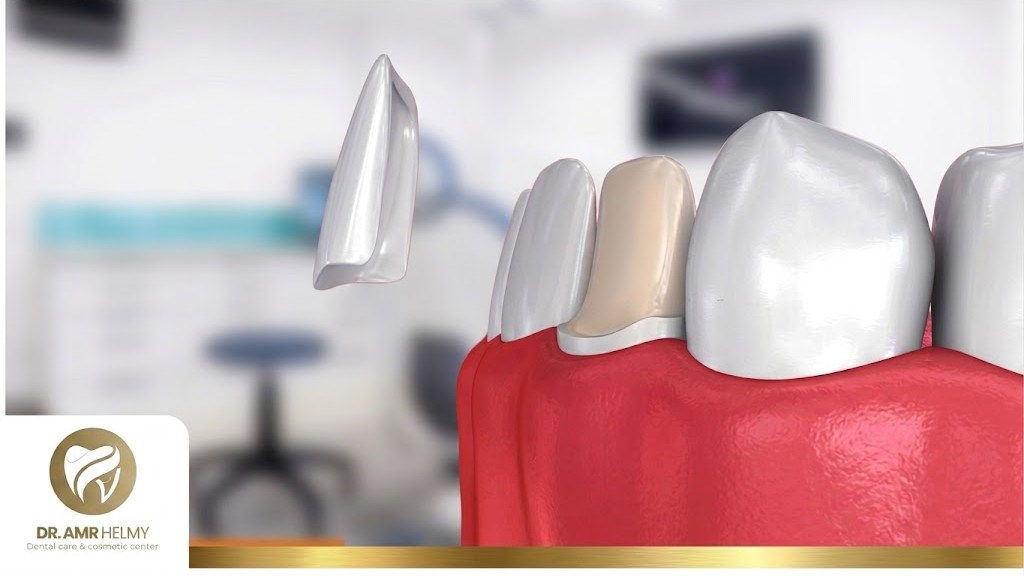
Stains on the teeth and the tongue (tooth stains and yellowing can be eliminated by means of dental veneers).
It weakens the sense of smell and taste.
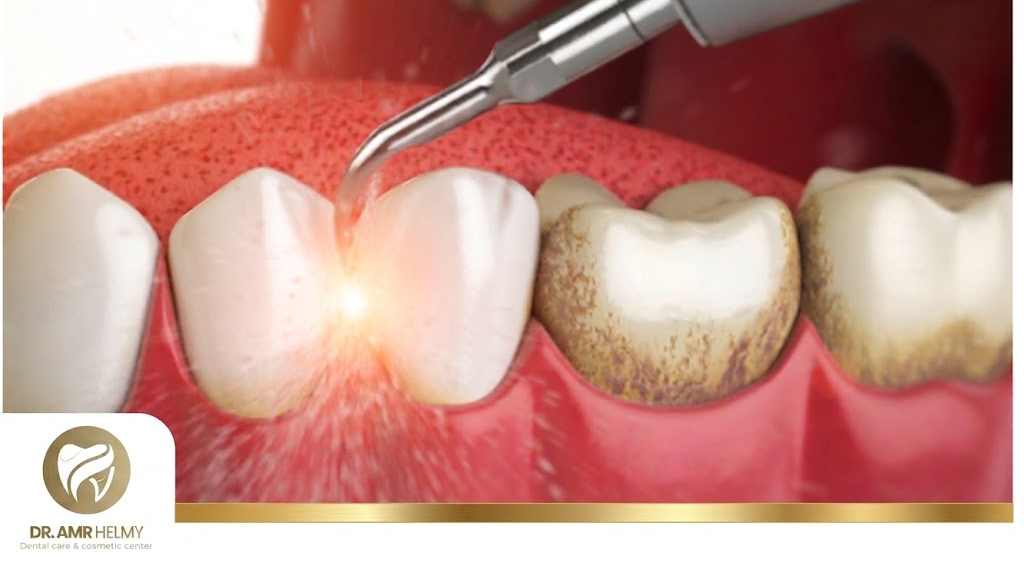
Increased accumulation of plaque and tartar on the teeth (and this problem can be eliminated by means of dental scaling sessions).
Increased bone loss in the jaw.
Gum diseases and tooth loss.
Slow healing after gum treatment or tooth extraction or any other surgery.
Oral cancer.
A reduced success rate for dental implants.
Tooth decay, and the ease with which decay reaches the nerve, which then forces the patient to resort to laser root canal filling.
Smoking is the leading cause of diseases that lead to death in the United States; it causes the death of more than 480,000 people every year, which is a proportion of one in every five deaths.
(Chewing tobacco).. there is no "safe" tobacco..
Any form of tobacco can cause serious health problems. Chewing tobacco and other smokeless tobacco products contain around 30 cancer-causing chemicals. The health problems associated with smokeless tobacco include the following:
Addiction: these products contain nicotine, which causes addiction.
Cancer: tobacco causes many types of cancer, such as cancers of the mouth, throat, oesophagus, cheek, gums, lips and tongue.
Tooth decay: chewing tobacco contains a lot of sugar, which may lead to the erosion of tooth enamel.
Gum diseases: the sugars and irritants present in tobacco can cause gum inflammations. Over time gum diseases can lead to tooth loss.
Heart disease: some types of smokeless tobacco can increase the heart rate and blood pressure, and that can lead to stroke and heart disease.
The risks of passive smoking
The passive smoker receives the same harmful chemicals that smokers inhale. Passive smoking can cause health problems for people who do not smoke; children and infants are especially at risk, and there is no "safe" level of exposure to this type of smoke.
And what about the electronic cigarette?
Electronic cigarettes, also called "vapes", which resemble ordinary cigarettes or cigars or the pipe, and some of which resemble USB drives, pens and other items used in daily life. The flavours make electronic cigarettes extremely attractive to young people.
Scientists are still studying the long-term health effects of electronic cigarettes, but in general most electronic cigarettes contain nicotine, which is known for its harmful health effects.
Nicotine is strongly addictive
Nicotine can harm brain development in adolescents, and this can continue until the age of 25.
Nicotine is a danger to the health of the pregnant woman and her developing children.
Children and adults are exposed to poisoning by swallowing, inhaling or absorbing the liquids from the electronic cigarette.
It has been proven that electronic smoking — vaping — leads to an increase in tooth decay, gum diseases and other problems relating to the health of the mouth. People who smoke electronic cigarettes are also more liable to experience gum recession, tooth sensitivity and tooth loss, and tooth damage caused by grinding or gnashing. Electronic cigarettes can cause facial injuries including burns, broken bones and tooth loss if the battery catches fire.
The benefits of quitting smoking
Quitting smoking is beneficial for your mouth and your general health, and reduces the risk of being affected by heart attacks or strokes or cancer, including oral cancer. The benefits of quitting smoking begin within minutes and continue for a lifetime:
A few minutes after the last cigarette, the body begins to recover.
After 20 minutes, the heart rate and blood pressure drop.
After 12 hours the concentration of carbon monoxide in the blood returns to normal.
After two weeks to three months the circulation improves and the lungs work better.
After a year has passed the risk of being affected by heart disease becomes half what it is for a smoker.
After five years the risk of being affected by cancer of the mouth, throat, oesophagus and bladder drops by half
And in the end, dear reader, you must know that smoking is the most important of the causes of death around the world, and every cigarette you smoke shortens your life and harms those around you. So start now and rid yourself of this deadly habit.