Restoring and protecting your natural teeth with dental restorations
Did you know that your molars can exert between 247 and 292 pounds of force? Astonishing, isn't it?! This example shows how strong our natural teeth are — they are designed to withstand these pressures for a lifetime! Nevertheless your teeth are, unfortunately, subject to damage, and they can be harmed by injury or decay. And when one of your teeth is severely damaged, a dental crown or a dental restoration is often the best way to preserve it.
Crowns can relieve dental pain, restore the health and function of the tooth and protect it from future damage, and so they must be strong enough to bear the same amount of force as your natural teeth.
There have been many advances in the technologies used to protect and replace teeth, since a tooth crown can be made from several different materials, which means you have more options than ever before when you are looking for a dental crown.
This helps you find an option that suits your treatment needs and your priorities, from the crown's durability and longevity to its appearance and its cost. But among all the materials available on the market, which is best? To help you reach a decision, we have set out the advantages and disadvantages of the main types of dental crowns in the lines of this article, in the words of the best dentist in Egypt.
What are the types of dental restorations?
There are several types from which dental restorations are made, foremost among them:
Metal restorations
If you are looking for strength, metal crowns are the strongest option, in addition to being one of the least costly options.
They are made from a mixture of metal alloys, which produces a level of strength and durability that makes it unlikely they will crack or break. They are very visible in your mouth, so they are certainly not the most attractive option, and they are generally placed on the molars only — but some people believe that their durability makes up for any other drawbacks.
When they are cared for properly, metal crowns are likely to last for decades! What also distinguishes them is that metal crowns can be made thinner than other types of crown without losing their strength, which allows your dentist to retain more of your natural tooth structure than with other types of crown — and that is always better for the long-term health of your mouth (preserve as much of your natural teeth as possible)!
Ceramic or porcelain crowns
Ceramic crowns, or those made entirely of porcelain, can be a wonderful option for someone looking for a dental crown. They provide a completely natural colour, which helps to achieve a natural appearance for the teeth.
They are best for the teeth near the front (that is, those that will not chew a great deal or bite down hard). The prices of fitting porcelain teeth can be high because of the natural colour they provide. They can offer lifetime durability if the dentist takes care with the method of fitting porcelain teeth correctly and the patient looks after them well after fitting, but if they are placed on molars at the back of the mouth they are more prone to fractures.
Zirconia
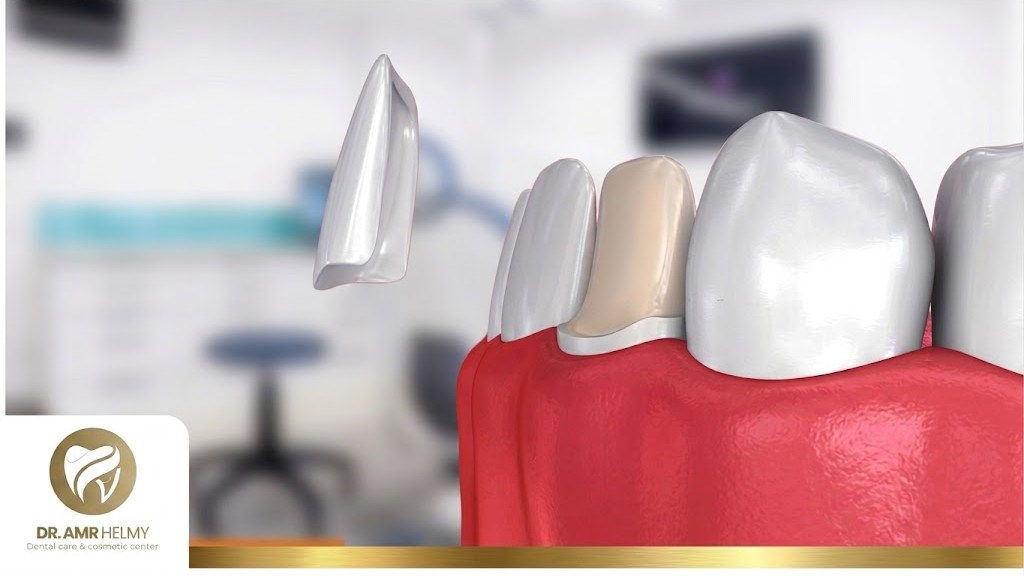
Is it possible to find a material that combines the natural appearance of ceramic crowns with the strength of metal crowns? Yes! Zirconia crowns are a new type of ceramic crown made from zirconium oxide, a natural white metal resembling titanium. This material is sometimes used in making dental veneers.
Just as with ceramic and porcelain crowns, you can work with your dentist to choose their size, shape and shade to create a crown that looks natural. It may not reach the same level of natural appearance as ceramic crowns, but they are natural-looking enough that no one can tell them apart from your natural teeth.
Gold crowns
Dentists have used dental crowns made entirely of gold for several centuries. They offer the strongest durability because they are made of gold, which means that damage to the crown and its breakage occur only in rare cases. Being a hard metal, a dental crown made of gold is unlikely to suffer any damage once it is placed. Another advantage is that a gold crown will not weaken the opposing teeth, unlike all-ceramic crowns. Nevertheless, obtaining a gold crown may be extremely difficult, and some people may not think that this is the best appearance; moreover this option is no longer common in our societies.
Removable restorations
In some cases you can rely on removable restorations or removable veneer appliances as an alternative to fixed restorations and crowns, and the prices of removable dental veneers may be far lower than those of fixed dental restorations.
Choosing the best dental crown
It can be difficult to know which type of dental crown to choose, because every option has its own benefits and drawbacks. It is important that you think carefully about which dental crown suits you. The final choice will determine the state in which the tooth remains for a long period of your life. Consult your dentist about your concerns regarding the choice of dental crown.